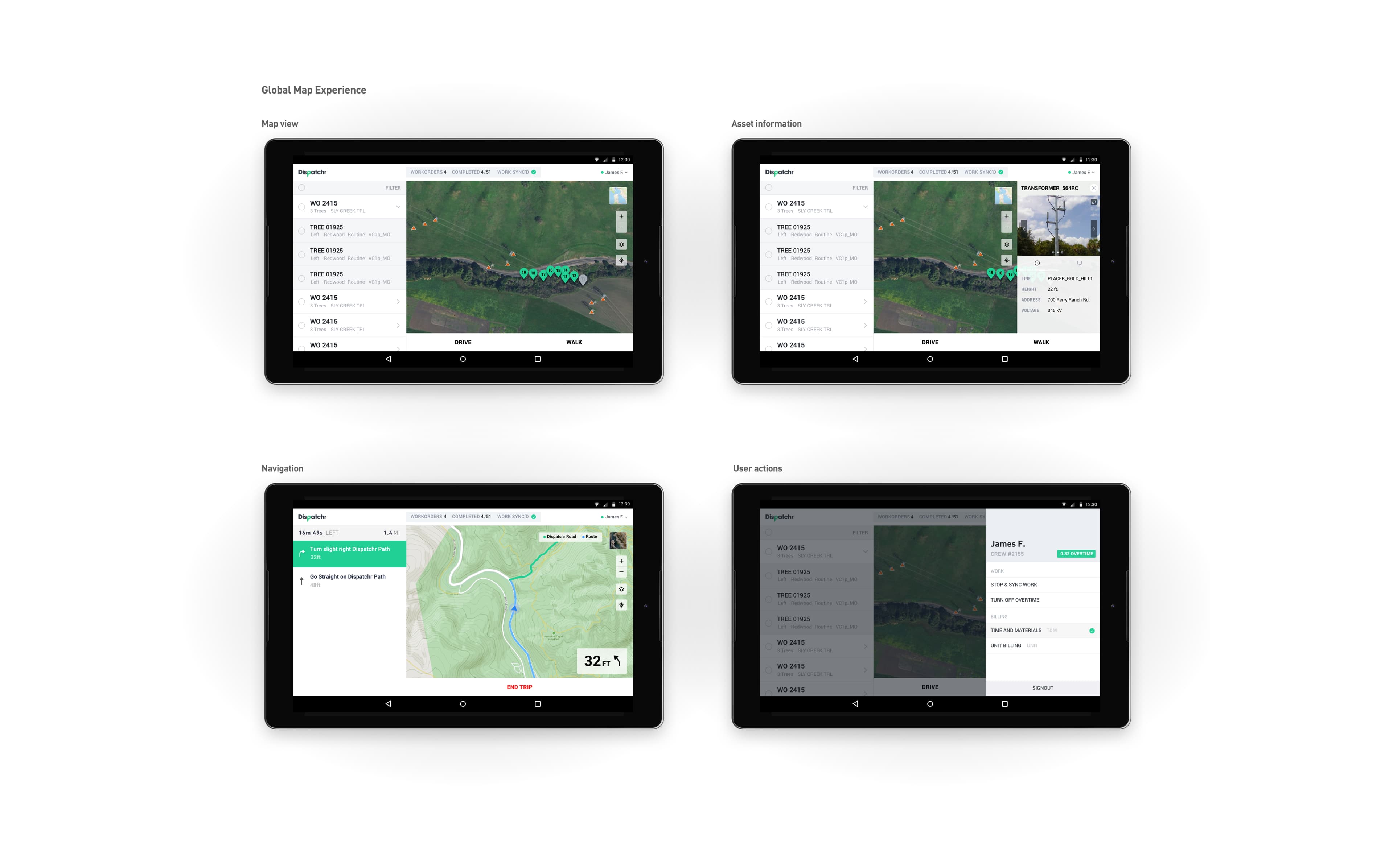
Dispatchr is the world’s most sophisticated grid resilience software, providing predictive analytics, mobile fleet management, and integrated weather, vegetation, and grid impact analysis for the electrical utility industry.
DispatchrMobile
Background
The Problem
Provide a way for workers in the field to easily manage and execute work orders on the go.
Solution
Rebuild the Dispatchr mobile app to support additional utility clients and increase productivity in the field.
Background
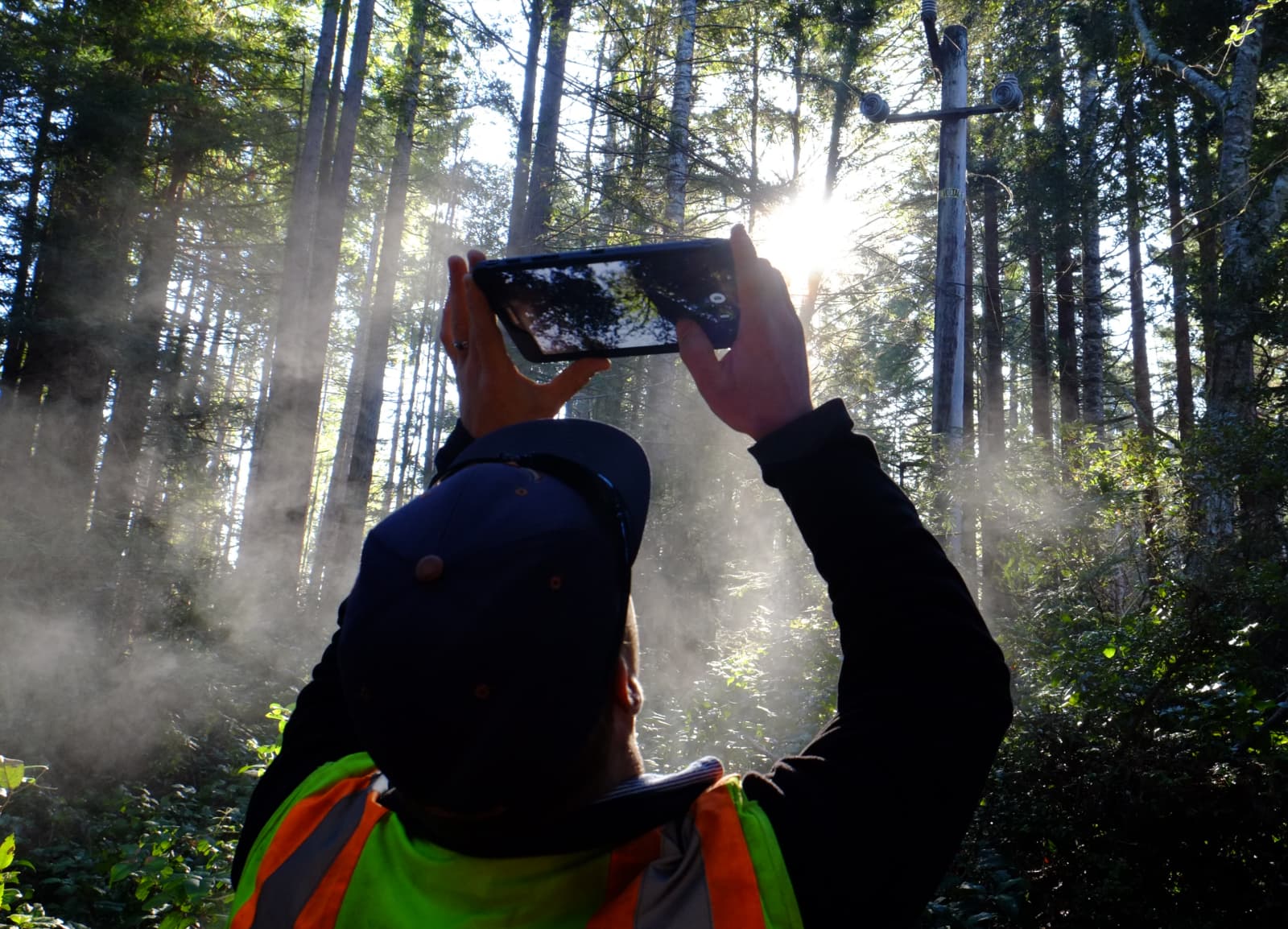
Shortly after we kicked off work for the web platform, we also began diving into what we could do to push the mobile platform forward.
We defined a few key pain points based on user feedback in the field:
Defining key objectives
Increasing hit targets and readability in the field. Workers needed to quickly mark an action without having to scan and read small print to make sure they tapped the right control.
Improving the overall information architecture for faster mobile creation and retrieval. Newer workers in particular had a hard time finding specific actions, which was hurting productivity and increasing the chance for error.
Creating a modular app that could support different utility company needs. The product had been tacking on features based on the first customer, but each utility company had different requirements and needed a more flexible foundation.

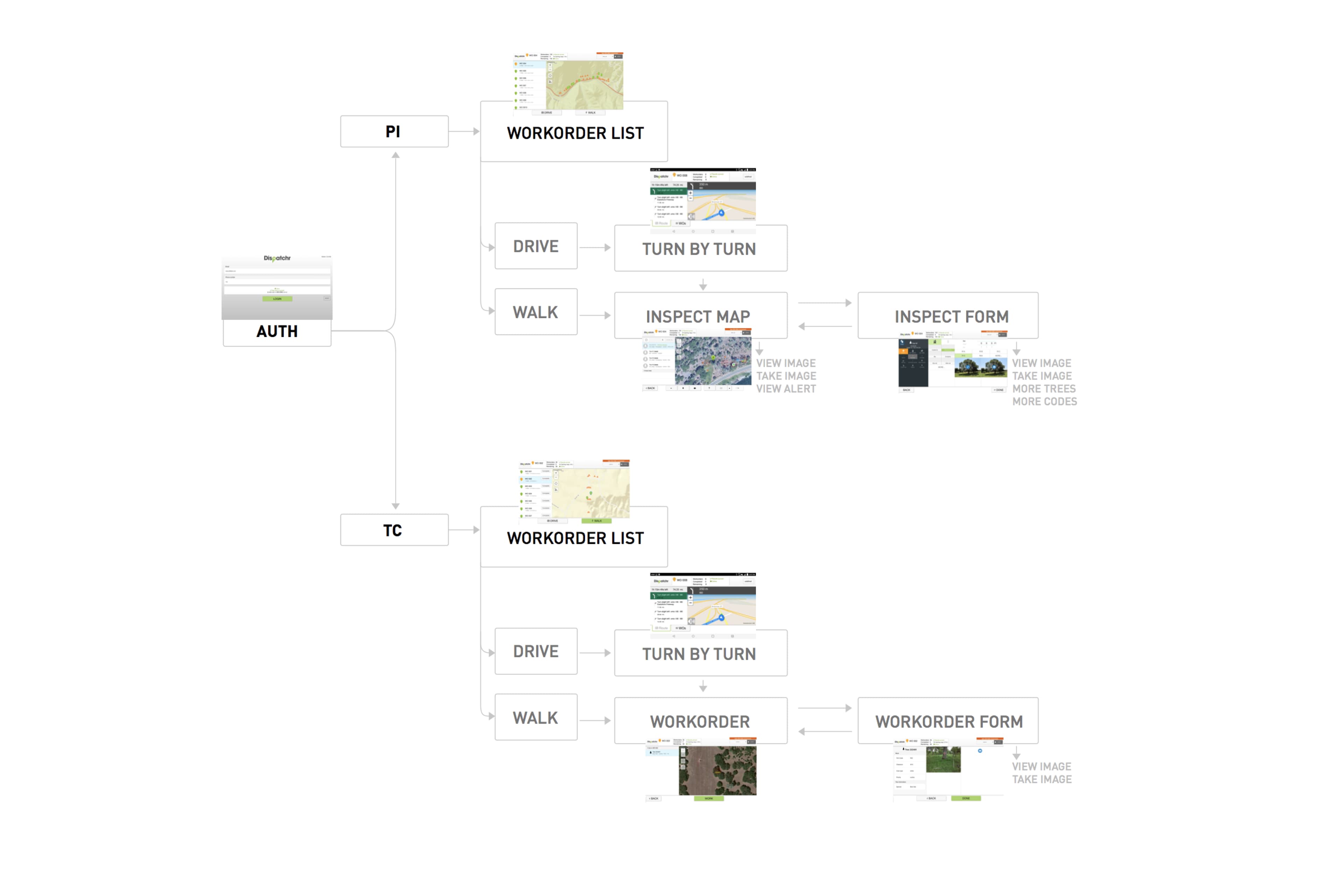
Auditing and setting the foundation
With the core problem areas defined and feedback sessions in progress, we began auditing the existing application and outlining the information architecture so we could map things accordingly.
That audit helped us identify where the experience was too brittle, where the app needed clearer structure, and where a more modular system would give us room to scale.
Exploration
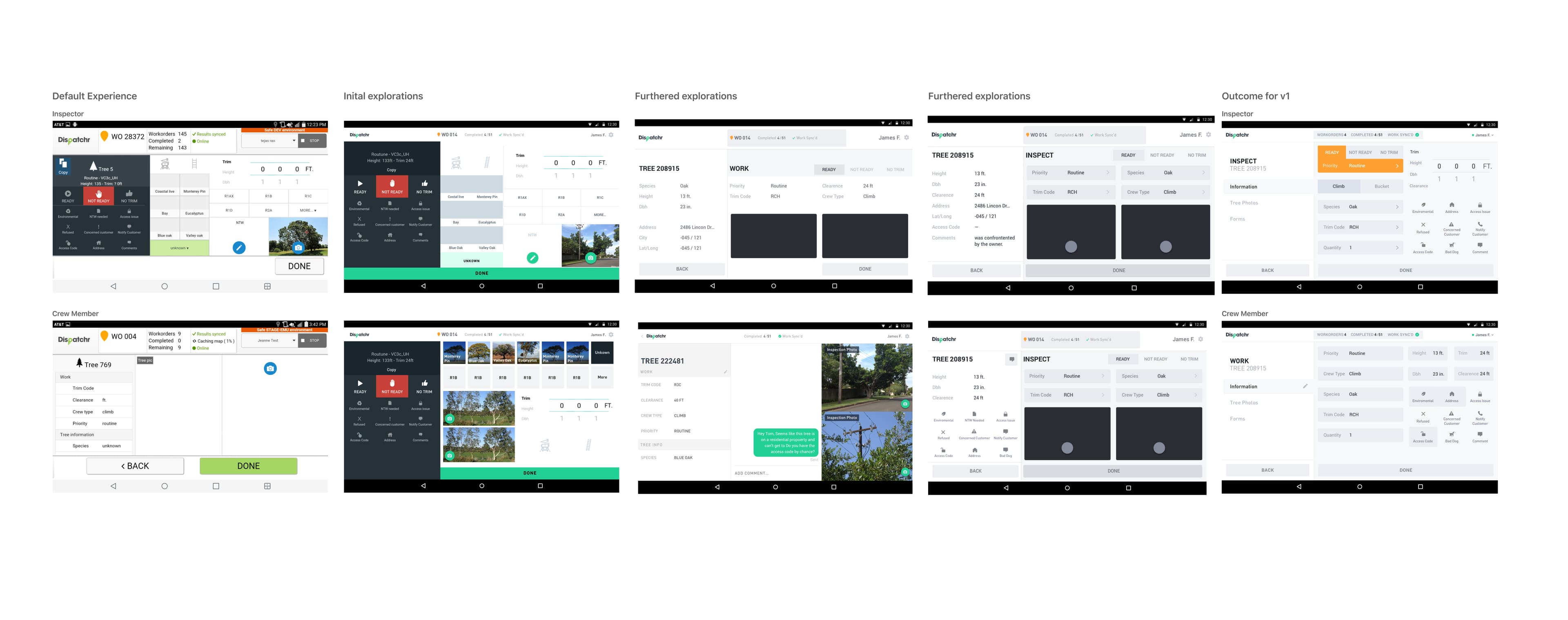
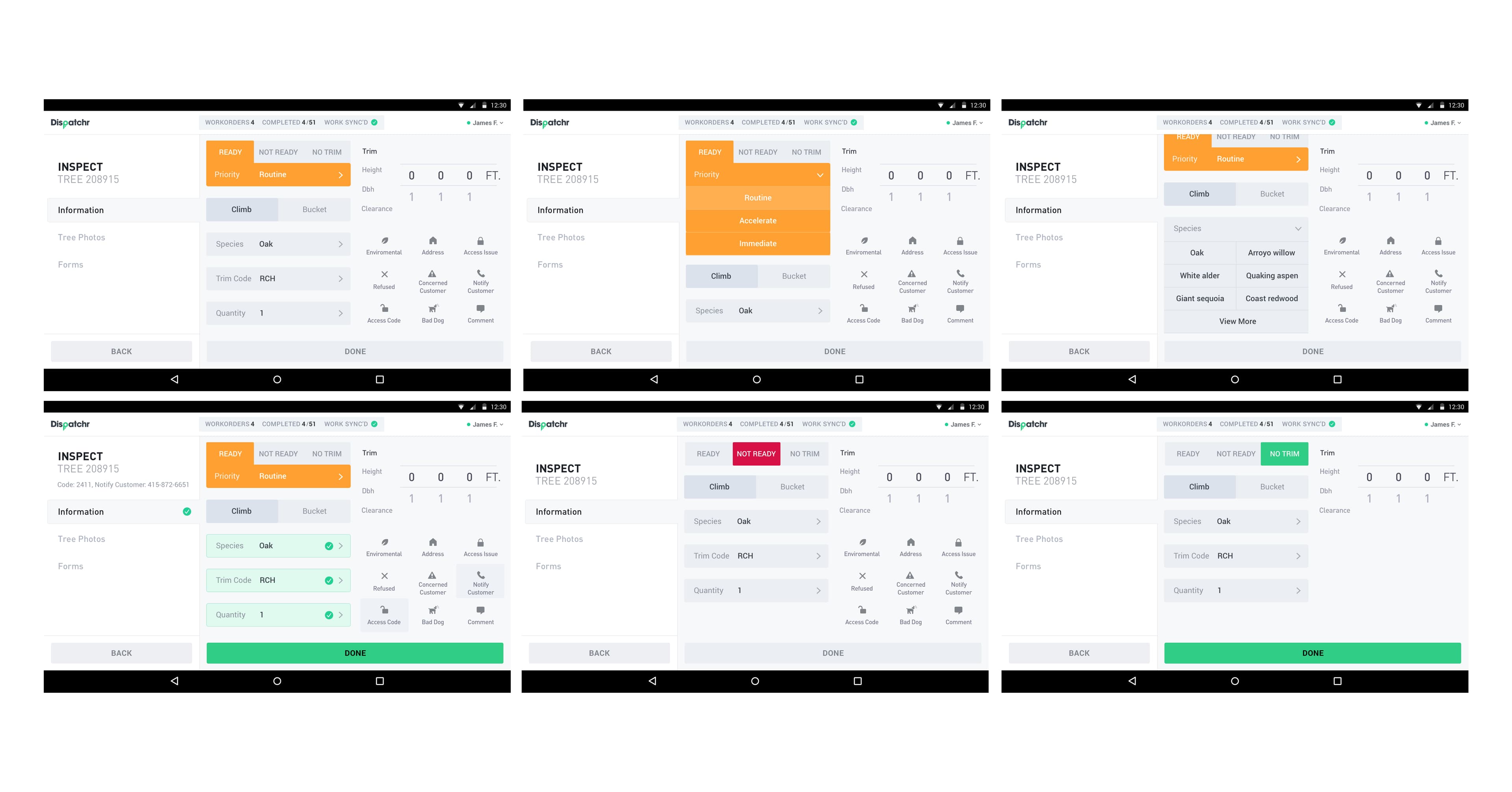
Exploring mobile form ease of use
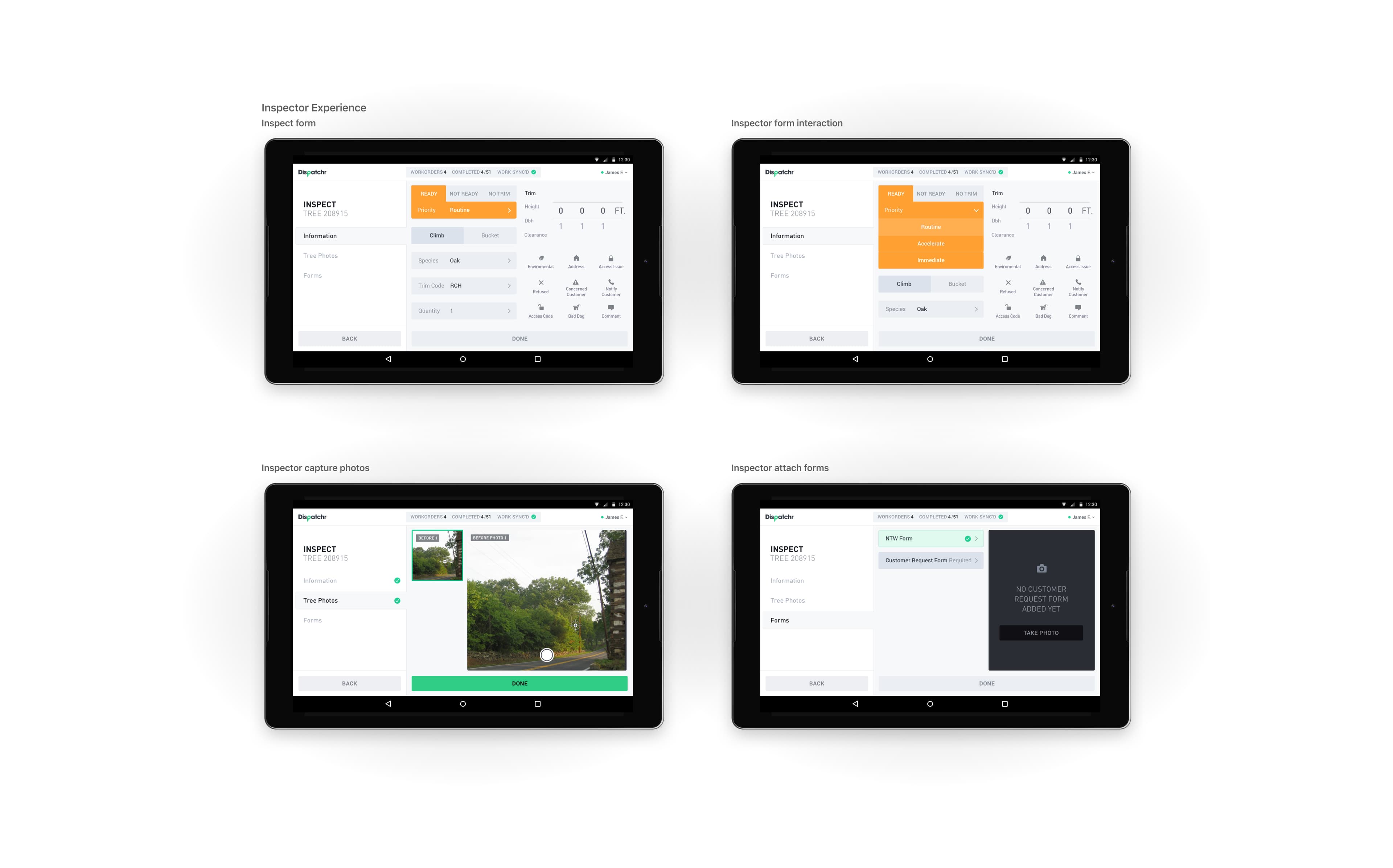
One of the biggest experience areas we wanted to improve was the mobile work order form used by both tree crews and inspectors.
After several research sessions with workers and clients, we defined that the current structure was not addressing readability or scalability as new clients wanted to change what was shown or add new requirements.
That pushed us back to the drawing board to rethink how we could improve this core part of the app.
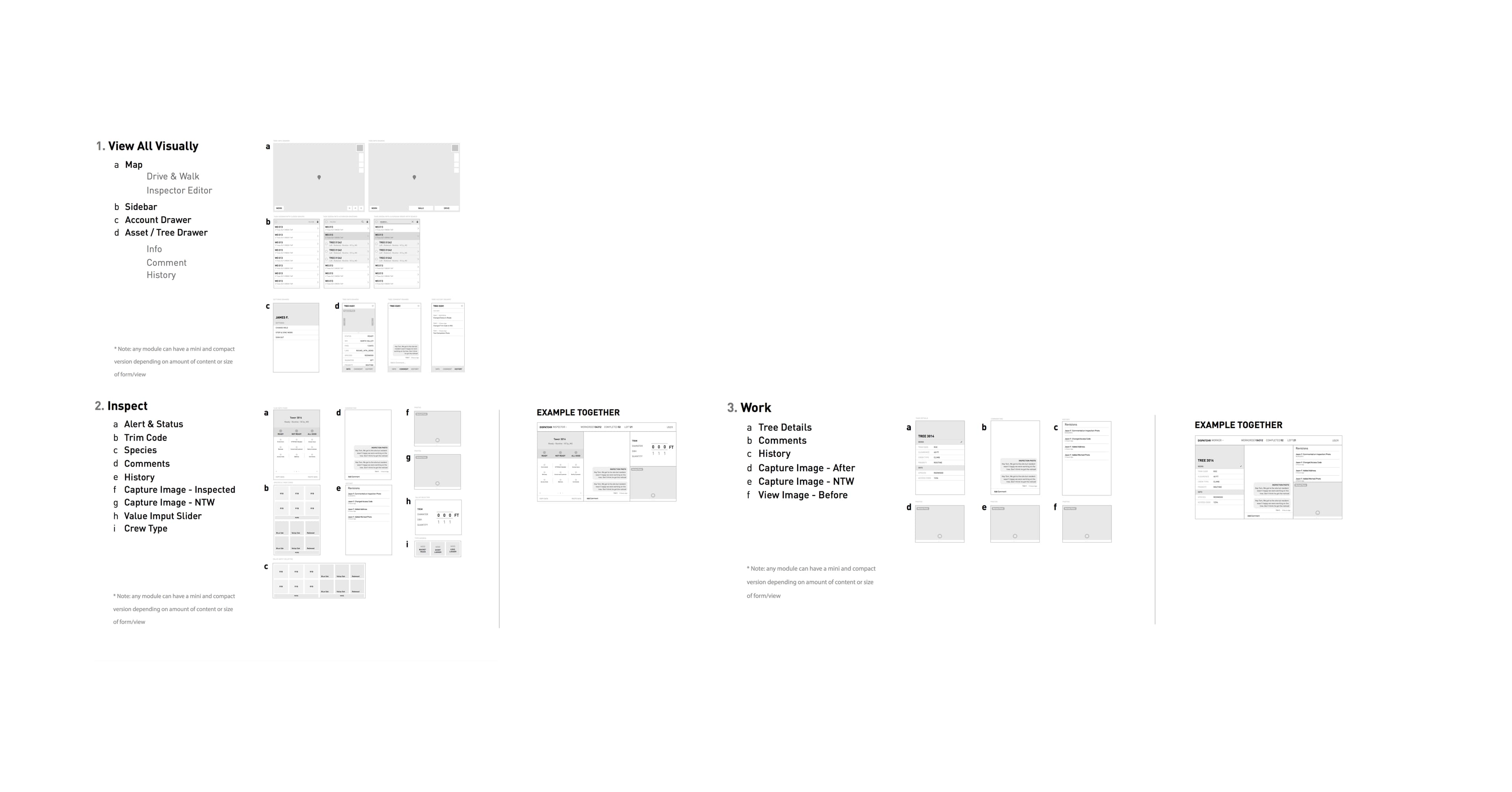
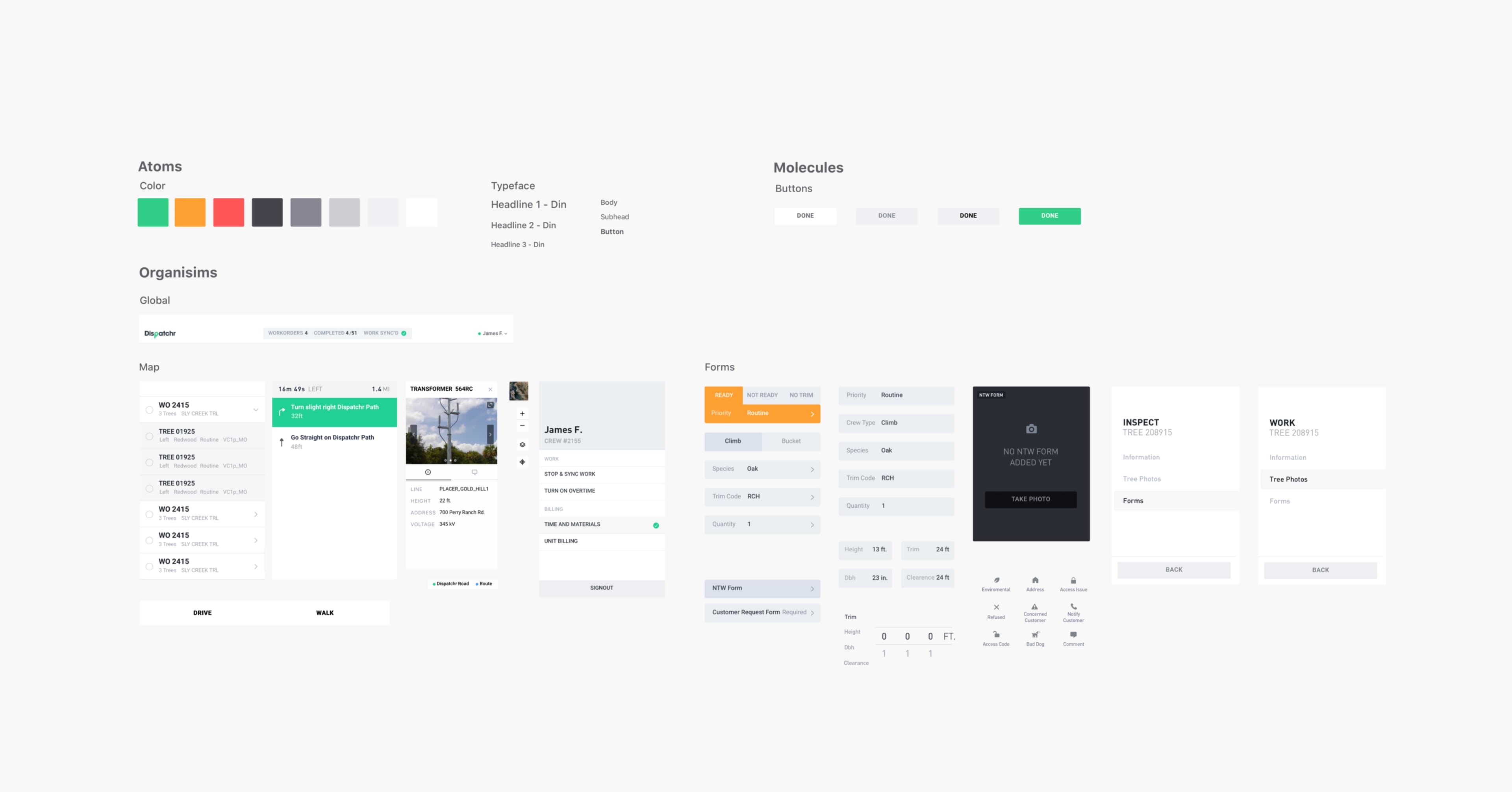
Building a modular app
Another core design problem we needed to solve for this revamp was architecting the app so clients could easily add or remove modules based on their workflow.
For example, if PG&E wanted to define species of trees while Alliant Energy did not care about species, the app should allow for that toggle state without requiring a separate app for each client.
As a result, we started to define a system where we could label each module and specify its parent so the product could flex with different needs.
Outcome
After several rounds of iterations, we landed on a more robust and modular system that could support inspectors and crew members, as well as any other type of user or company wishing to use the Dispatchr service.